
Car Aircon Repair Cost in Singapore: What Affects the Price?
- June 4, 2026
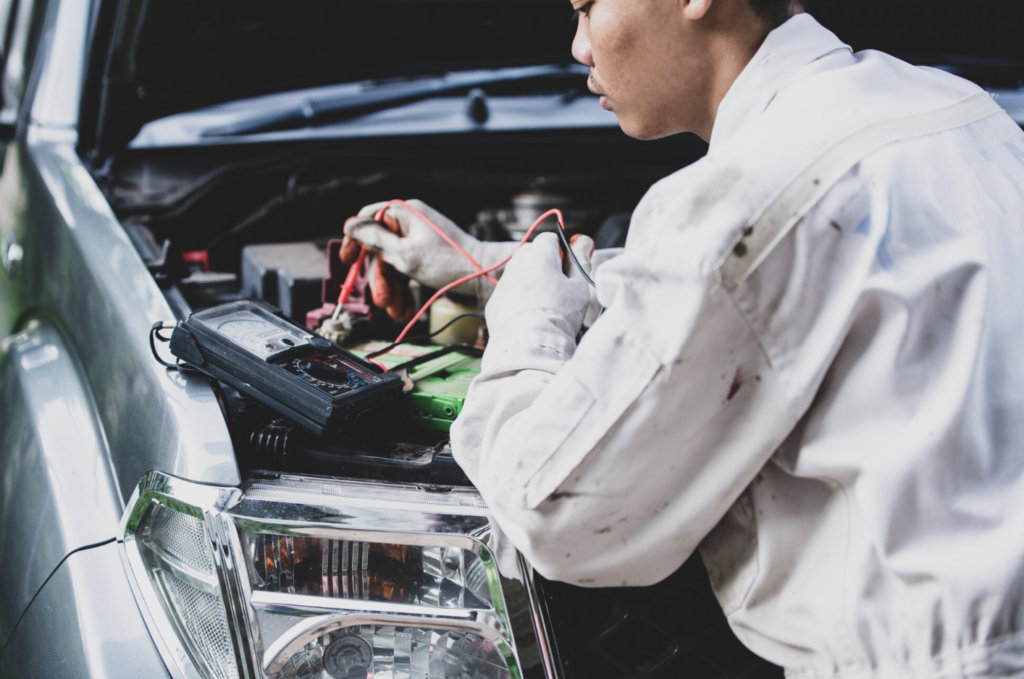
In Singapore’s hot and humid weather, a working car aircon is not just a comfort feature — it is something most drivers depend on every day. When the aircon starts blowing warm air, takes too long to cool, or produces unusual noises, one of the first questions car owners usually ask is: “How much will the repair cost?”
The truth is, car aircon repair cost in Singapore can vary quite a lot. Some issues may only require a simple inspection, cleaning, gas top-up, or filter replacement. Other problems may involve more complex repairs such as compressor replacement, condenser repair, cooling coil replacement, or leak detection. Understanding what affects the price can help you make a better decision and avoid paying for unnecessary work.
- The Type of Aircon Problem
The biggest factor that affects car aircon repair cost is the actual problem within the system. A car air-conditioning system has many parts working together, including the compressor, condenser, evaporator coil, expansion valve, blower fan, cabin filter, hoses, sensors, and refrigerant.
For example, if your aircon is weak due to a dirty cabin filter, the repair may be simple and affordable. If the cooling issue is caused by a leaking evaporator coil or faulty compressor, the repair will usually cost more because it requires more labour, replacement parts, and proper testing.
This is why proper diagnosis is important. Simply topping up aircon gas without checking for leaks or component faults may only solve the problem temporarily. If the gas leaks out again, the same issue will return.
- Whether Replacement Parts Are Needed
Another major cost factor is whether any parts need to be replaced. Some parts are relatively inexpensive, while others are more costly due to their function, location, and complexity.
For example, replacing a cabin filter is usually simpler than replacing a compressor or evaporator coil. The compressor is one of the most important parts of the car aircon system because it helps circulate refrigerant and keep the cooling cycle running. If it fails, the aircon may stop cooling completely.
The evaporator coil can also be costly to replace because it is often located deep inside the dashboard area. This means more time and labour may be needed to access and replace it properly.
- Car Make and Model
Repair cost also depends on the car make and model. Different vehicles use different aircon system designs, refrigerant types, and component layouts. Some cars have parts that are easier to access, while others require more dismantling.
For example, luxury cars, continental cars, hybrid vehicles, and newer models may have more advanced aircon systems. Their parts may also cost more compared to common Japanese or Korean models. Some vehicles may require specific refrigerant types, special tools, or additional diagnostic procedures.
This is why a proper inspection is always better than giving a fixed price without checking the car. Two vehicles can show the same symptom, such as “aircon not cold”, but the actual repair required may be completely different.
- Refrigerant Type
The type of refrigerant used in your car can also affect the price. Older vehicles commonly use R134a refrigerant, while many newer vehicles may use R1234yf, which is designed to be more environmentally friendly.
R1234yf is generally more expensive than R134a, so aircon gas top-up or servicing costs may be higher for newer vehicles. It is also important not to mix or replace refrigerants incorrectly. Using the wrong refrigerant can affect cooling performance and may damage the system.
If your car requires R1234yf, it should be handled by a workshop that understands the correct servicing process.
- Labour and Diagnostic Time
Not every aircon fault is immediately obvious. Some issues require pressure testing, leak detection, electrical checks, or component inspection. A refrigerant leak, for example, may be hidden in the condenser, hoses, compressor seal, or evaporator coil.
The more time required to find the root cause, the more the labour cost may increase. However, paying for proper diagnosis can save money in the long run because it helps prevent repeated repairs or unnecessary part replacement.
A reliable workshop should explain the issue clearly before proceeding with major repairs. This gives car owners confidence in what they are paying for.
- Repair vs Replacement
In some cases, a part may be repairable. In other cases, replacement may be the better option. For example, if a compressor has minor issues, repair may be possible depending on the condition. But if it is badly worn, leaking, noisy, or internally damaged, replacement may be more practical.
Choosing the cheapest option is not always the best decision. A low-cost temporary fix may lead to repeated breakdowns. On the other hand, replacing a part too early without proper diagnosis can also be unnecessary. The best approach is to check the system properly and choose the most cost-effective solution based on the vehicle’s condition.
- Quality of Parts Used
The type and quality of replacement parts can also affect the final price. Some workshops may offer original parts, OEM parts, or reconditioned parts. Each option has different pricing and suitability.
Original parts may cost more but can provide peace of mind. Reconditioned or OEM parts may be more affordable, depending on the car model and part availability. What matters most is that the workshop explains the options clearly and provides proper workmanship.
Conclusion
Car aircon repair cost in Singapore depends on many factors, including the type of fault, car model, refrigerant type, labour required, and whether replacement parts are needed. Instead of guessing the cost based only on symptoms, it is always better to have the system checked by an experienced car aircon specialist.
At Mr Kool Car Aircon Specialist, our technicians inspect your car aircon system carefully to identify the root cause of the problem. Whether your aircon needs servicing, leak detection, gas top-up, compressor repair, or component replacement, we aim to provide clear advice and reliable solutions so you can enjoy cool and comfortable drives again.
WhatsApp Us: +65 8118 1648