

Car Aircon Compressor Replacement Cost in Singapore: A Guide
Wondering about car aircon compressor replacement cost in Singapore? Learn the warning signs, what affects the price, and when repair beats replacement.
R1234yf vs R134a: Which Refrigerant Does My Car Use?
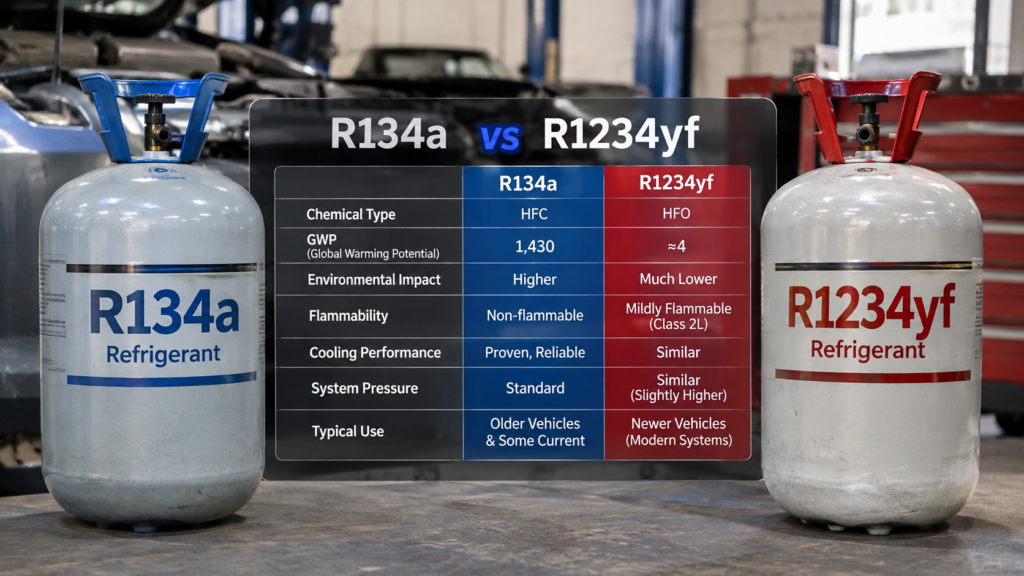
R1234yf vs R134a: learn which refrigerant your car uses, why they can’t be mixed, and how MrKool services both in Singapore.
Car Aircon Gas Top Up in Singapore: When You Really Need It
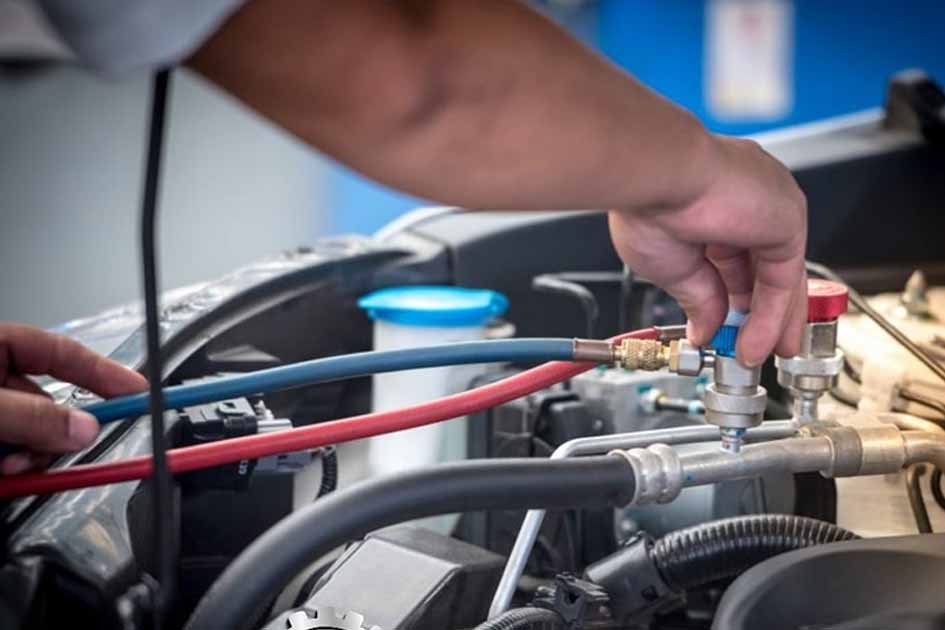
Need a car aircon gas top up in Singapore? Learn when a top-up helps, when recovery or leak repair is better, and how MrKool can help.
Car Aircon Not Cold in Singapore? 7 Causes and Fixes

Car aircon not cold in Singapore? Learn 7 common causes, quick checks you can do yourself, and when to see a car aircon specialist.
Car Aircon Smells Musty & Windscreen Keeps Fogging? A Rainy Season Guide for Singapore Drivers
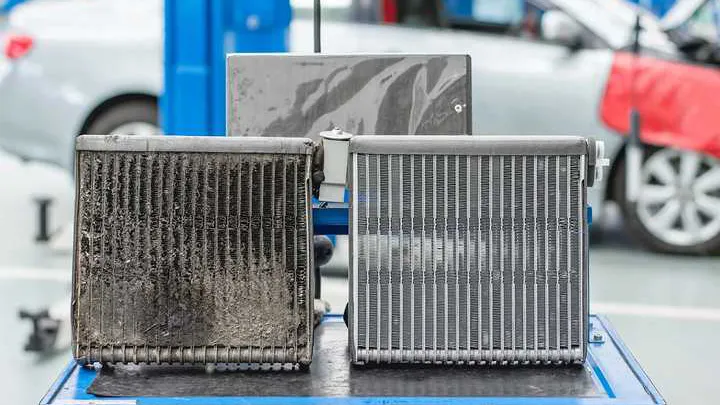
Monsoon season makes car aircon smell musty and windscreens fog up. Here’s why it happens, 6 fixes you can do today, and when to see a car aircon specialist in Singapore.
Why Does Your Car Aircon Take So Long to Cool in Singapore?

You get into your car after it has been parked outdoors, switch on the air-conditioning and wait—but the cabin stays warm for longer than expected. In Singapore’s hot weather, this can make even a short journey uncomfortable. Some cooling delay is normal when a vehicle has been sitting in the sun. However, if your car consistently takes much longer than before to become comfortable, it may be worth checking the air-conditioning system. Why Does a Car Get So Hot When Parked? Sunlight heats the dashboard, seats, glass and other interior surfaces. Heat also builds up in the air trapped inside the cabin. When you start driving, the aircon needs time to remove that accumulated heat. The time required varies with outdoor temperature, sunlight, vehicle size, ventilation, system condition and the temperature setting. 5 Reasons Your Car Aircon May Cool Slowly 1. Heat Has Built Up Inside the Cabin A car parked in direct sunlight can become significantly hotter than the surrounding air. Allowing hot air to escape briefly through open doors or windows before setting off may help, provided it is safe to do so. 2. The Cabin Filter Is Restricted A dirty cabin air filter can reduce airflow through the vents. If the airflow seems weaker than usual, inspect the filter according to the vehicle’s maintenance guidance. 3. The Condenser Cannot Release Heat Efficiently The condenser helps release heat from the refrigerant. Dirt, damage or restricted airflow can affect its performance. Inspection may be needed to determine whether the condenser or related components are responsible. 4. Refrigerant or Compressor Problems Low refrigerant caused by a leak, compressor problems or another system fault can affect cooling performance. A technician should diagnose the cause rather than simply adding refrigerant. 5. A Temperature Sensor or Control Issue Air-conditioning performance can also be affected by sensor, actuator or control-system problems. These faults may be harder to identify without appropriate testing. How Can You Help Your Cabin Cool Faster? Avoid unsafe distractions while driving. Adjust the controls before moving off whenever possible. When Should You Get Your Car Aircon Checked? If the system used to cool the cabin quickly but now struggles, or if you notice unusual noises, warning messages or inconsistent cooling, arrange a professional inspection. A workshop can check airflow, refrigerant performance, compressor operation and relevant electrical controls to determine the likely cause. Car Aircon Servicing in Singapore MrKool provides car aircon servicing and maintenance options for drivers who need help investigating air-conditioning performance. Explore MrKool’s car aircon service and maintenance page or contact the team to enquire about an inspection. Frequently Asked Questions Is it normal for my car aircon to take time to cool after parking in the sun? Yes, some delay is normal because the cabin and interior surfaces retain heat. A sudden or persistent decline in cooling performance deserves investigation. Should I drive with the windows open to cool the car? If safe and practical, briefly ventilating the cabin before driving may help release trapped hot air. Close the windows and use the aircon as appropriate for your conditions. Does slow cooling always mean low refrigerant? No. A restricted filter, condenser airflow issue, compressor fault, sensor problem or other condition may be responsible. Diagnosis is needed. Conclusion: A hot cabin after parking in the sun is common in Singapore, but a lasting change in cooling performance should not be ignored. Simple ventilation may help with heat build-up, while persistent problems call for proper diagnosis.
Hybrid and Electric Car Aircon Maintenance: What Singapore Drivers Should Know
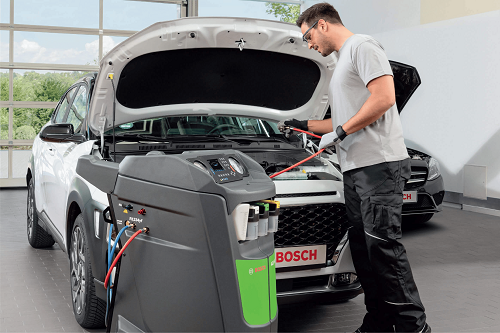
Air-conditioning is essential for comfortable driving in Singapore’s hot and humid climate. For hybrid and electric vehicle owners, maintaining the aircon system is also important because its design may differ from that of a conventional petrol car. Understanding these differences can help owners recognise maintenance needs and know when professional inspection is appropriate. How Is Hybrid or EV Aircon Different? Hybrid and electric vehicles may use electrically driven compressors rather than compressor systems powered directly by a conventional engine belt. Some models also integrate thermal management with battery temperature control. The exact design varies by manufacturer and model. This is why the refrigerant specification, compressor type and servicing procedures should always be confirmed before work begins. 5 Things EV and Hybrid Owners Should Know 1. Use the Correct Refrigerant Vehicles are designed for a specified refrigerant. Using the wrong type or mixing refrigerants can damage equipment and create safety risks. Never assume that the refrigerant used in one car is suitable for another. Check the vehicle’s specifications before servicing. 2. Compressor Design Matters Some electric compressors use high-voltage electrical systems and specialised lubricants. Incorrect oil or servicing procedures can cause damage. A workshop should follow the manufacturer’s requirements for the specific vehicle. 3. Battery Thermal Management May Be Connected Depending on the model, parts of the vehicle’s thermal management system may support battery temperature control as well as cabin comfort. A fault may therefore require model-specific diagnosis. Not every EV uses the same arrangement, so the vehicle’s design should be confirmed rather than assumed. 4. Do Not Ignore Warning Messages If your vehicle displays an aircon, electrical or thermal-management warning, consult the owner’s manual and arrange an inspection where recommended. Stop driving and seek assistance if the vehicle reports a serious safety fault. 5. Follow the Correct Maintenance Schedule EVs do not require all the same maintenance as petrol cars, but that does not mean every air-conditioning component is maintenance-free. Follow the manufacturer’s schedule for filters, system checks and any model-specific requirements. Does an EV Aircon System Need Refrigerant Top-Ups? Refrigerant is contained in a closed system and should not normally need frequent topping up. If the refrigerant level is low, a leak or another issue may need investigation. Simply adding refrigerant without checking the cause may not resolve the problem. Can Every Car Aircon Workshop Service an EV? Not necessarily. Hybrid and electric vehicles may require specialised equipment, training and procedures, particularly when high-voltage components are involved. Before booking, confirm that the workshop can safely handle your vehicle’s make, model and air-conditioning system. Car Aircon Servicing for Singapore Drivers If you own a hybrid or electric vehicle, ask about the correct servicing procedure for your specific model before authorising repairs. Visit MrKool’s car aircon service page or contact MrKool to enquire about your vehicle’s servicing requirements. Frequently Asked Questions Is EV aircon maintenance the same as petrol car maintenance? Not always. The system may use different compressor technology, refrigerants, lubricants or thermal-management arrangements. Can I use any refrigerant in my hybrid car? No. Use only the specified refrigerant and servicing procedure for the exact vehicle. Does an electric car still have a cabin air filter? Many do, but the type and maintenance interval depend on the model. Check the owner’s manual. Conclusion: Hybrid and EV air-conditioning systems require the right specifications and procedures. Confirm that the workshop understands your vehicle before arranging service or repairs.
How Often Should You Replace a Car Aircon Filter in Singapore?
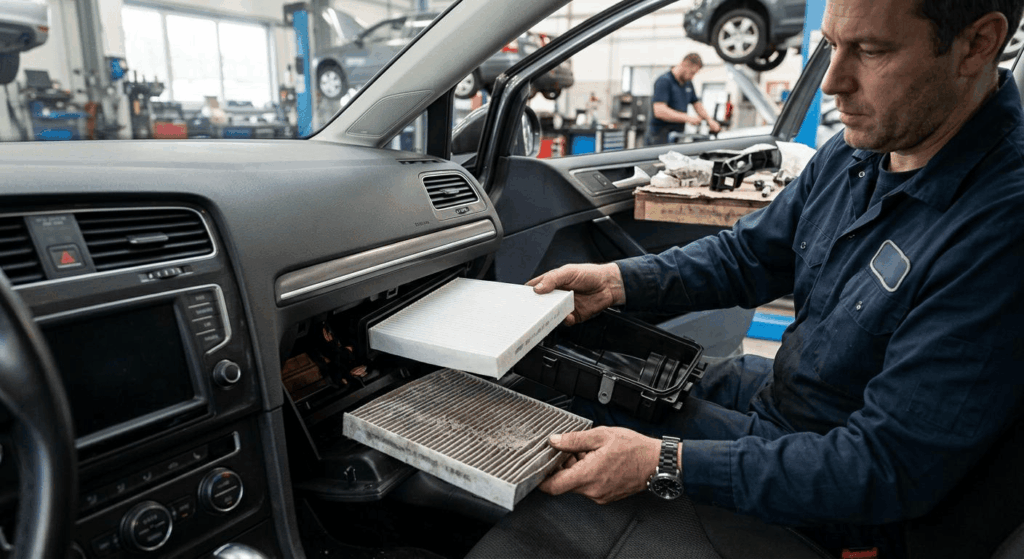
Your car’s cabin air filter helps trap dust, pollen and other airborne particles before air circulates through the passenger compartment. When the filter becomes dirty, it may restrict airflow and reduce cabin comfort. In Singapore, where many drivers use their air-conditioning system daily, checking the cabin filter is a simple part of sensible vehicle maintenance. What Does a Car Aircon Filter Do? The cabin air filter cleans air entering the vehicle’s ventilation system. Depending on the filter type, it may help capture dust, pollen and other particles. Some activated-carbon filters are also designed to reduce certain odours. The cabin filter is different from the engine air filter, which protects the engine’s air intake. They serve separate purposes and should not be confused during servicing. How Often Should You Replace a Cabin Filter? There is no single replacement interval suitable for every vehicle. Follow the maintenance schedule in your owner’s manual and consider the conditions in which you drive. You may need to check the filter sooner if you frequently drive in dusty environments, encounter heavy traffic or notice changes in airflow. A technician can inspect the filter and advise whether cleaning is appropriate for that design or replacement is recommended. 5 Signs Your Car Aircon Filter May Need Attention 1. Reduced Airflow From the Vents If less air comes through the vents at the same fan setting, a restricted filter is one possible cause. The blower motor and other ventilation components may also need checking. 2. More Dust Inside the Cabin A filter that is damaged, incorrectly fitted or overdue for maintenance may not perform as intended. However, dust can also enter through open windows, doors and other routes. 3. Increased Fan Noise If airflow is restricted, you may notice a change in how the ventilation system sounds. This symptom alone does not prove the filter is responsible. 4. An Unpleasant Cabin Smell Odours may be related to moisture, contamination or other air-conditioning components. Replacing the filter may help when the filter itself is the source, but persistent smells may require a wider inspection. 5. The Filter Looks Dirty A visual inspection can reveal accumulated debris or damage. Follow the vehicle’s recommended maintenance guidance instead of judging the replacement interval by appearance alone. Can You Replace a Car Aircon Filter Yourself? Some cabin filters are relatively accessible, while others require more involved access behind trim panels or the glove compartment. Check your vehicle’s instructions before attempting replacement. The filter must be the correct size and type and installed in the correct direction. If access is difficult or you are unsure, ask a qualified technician. Car Aircon Filter Replacement in Singapore A clean, correctly fitted cabin filter supports the ventilation system, but it cannot solve every aircon problem. If airflow remains weak after filter replacement, further diagnosis may be needed. Explore MrKool’s car aircon servicing and maintenance or contact MrKool to enquire about filter inspection and replacement. Frequently Asked Questions Is a cabin air filter the same as an engine air filter? No. The cabin filter serves the passenger ventilation system, while the engine air filter protects the engine’s intake air. Can a dirty cabin filter make my aircon less effective? It can restrict airflow, which may affect comfort. However, poor cooling can also be caused by other parts of the air-conditioning system. Can I wash and reuse my cabin filter? Only if the manufacturer specifically identifies it as washable and reusable. Many cabin filters are designed to be replaced rather than washed. Conclusion: Checking the cabin filter at the recommended interval is a straightforward way to maintain your car’s ventilation system. Use the correct filter and investigate persistent airflow or odour problems rather than assuming the filter is always the cause.
Car Aircon Repair Estimate: What Should Be Included Before You Approve the Work?
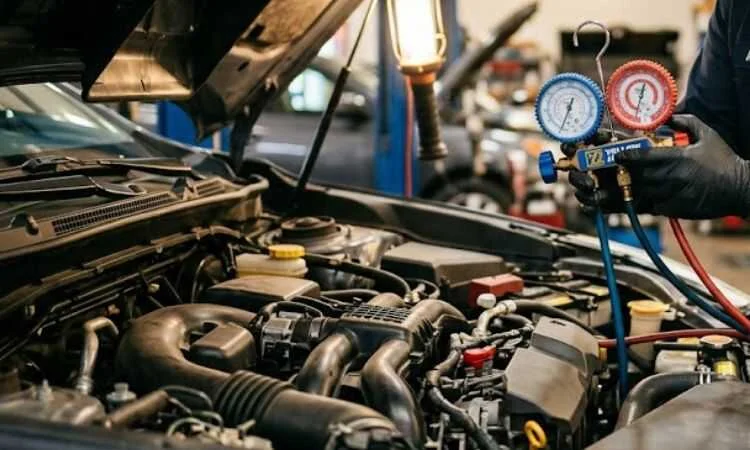
When your car aircon stops cooling, you may receive a recommendation for cleaning, refrigerant-related work, a component repair or a replacement. Before approving the job, it helps to understand what the estimate covers and why the work is being recommended. Comparing car aircon repair quotes in Singapore is not just about choosing the lowest price. The diagnosis, parts, labour, service scope and warranty terms can all affect the value of the repair. 1. Is the cause of the aircon problem clearly explained? A useful estimate should identify the suspected fault and explain how it was assessed. For example, weak cooling could result from a refrigerant leak, compressor problem, airflow restriction or another issue. Ask whether the recommendation is based on inspection or whether further diagnosis is needed. If the cause has not yet been confirmed, clarify whether diagnostic charges are separate from repair costs. 2. Does the price include parts and labour? Check whether the quoted amount includes the required parts, installation labour and any related work. A low initial figure may cover only one component or one stage of the repair. For larger jobs, ask whether additional charges could arise if another fault is discovered after dismantling or testing. 3. Are cleaning and refrigerant-related services necessary? Not every cooling problem requires the same treatment. Cleaning, refrigerant recovery and recharge, leak repair and component replacement serve different purposes. Ask the workshop to explain why a particular service is needed. Refrigerant should not simply be added repeatedly if the system is losing it; the cause of the loss should be investigated. 4. What parts will be used? If a component must be replaced, ask what type of part is proposed and whether it is new, refurbished or another approved option. Confirm compatibility with your vehicle’s make, model and year. For specialist systems, using the correct component and following the appropriate installation procedure is particularly important. 5. Is there a warranty on the repair? Warranty terms can vary according to the component, repair type and provider. Before approving the job, ask what is covered, how long the coverage lasts and whether parts and labour are both included. Get the applicable terms in writing so you understand any exclusions and aftercare requirements. 6. How long will the repair take? Repair duration depends on the fault, the vehicle design, parts availability and the amount of work required. A basic inspection may take much less time than a major component replacement. Ask for an estimated completion time and whether the workshop needs to order any parts before beginning. 7. What questions should you ask before approving a car aircon repair? Use this simple checklist: These questions help you understand the proposed work and make a more informed decision. Compare car aircon services in Singapore with confidence Mr Kool provides car aircon maintenance and repair services. Before approving a repair, discuss your vehicle’s symptoms and ask the team to explain the recommended work, pricing and applicable terms. Explore Mr Kool’s car aircon service and maintenance page or contact Mr Kool to enquire about your vehicle’s aircon problem.
Why Does a Car Aircon Freeze Up and Then Stop Cooling?
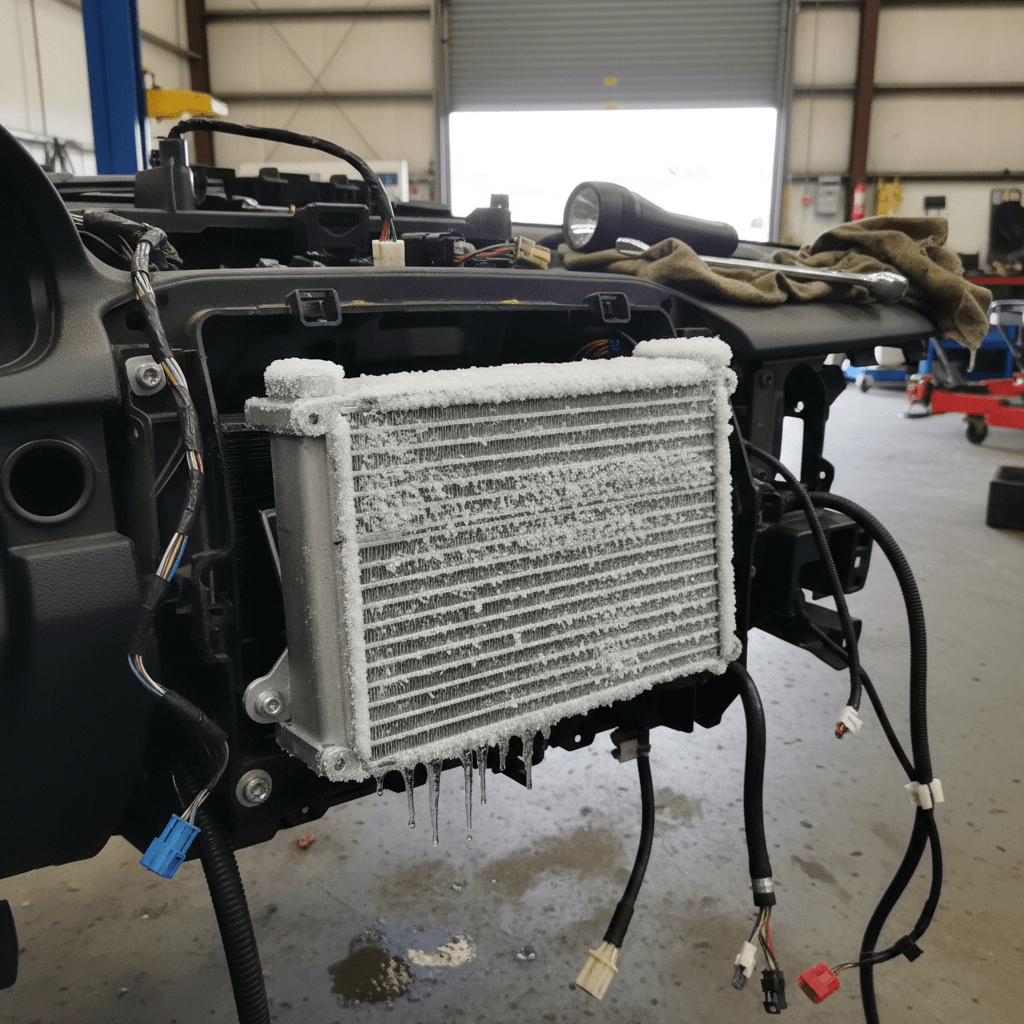
Does your car aircon start off cold but gradually lose airflow after driving for a while? After switching it off for a period, does the cooling return temporarily? One possible explanation is evaporator icing. Ice can restrict airflow through the air-conditioning system, making the vents feel weaker even though the aircon was initially working. However, several faults can cause similar symptoms, so the system should be checked before assuming ice is the problem. What does it mean when a car aircon freezes up? The evaporator is the component that absorbs heat from the air entering the cabin. Under certain conditions, moisture can freeze on its surface instead of draining away as water. As ice accumulates, it can obstruct airflow. The driver may notice that the fan is running but very little air comes through the vents. Turning off the aircon may allow the ice to melt temporarily. If the underlying cause remains, the symptoms may return. What causes evaporator icing in a car? 1. Restricted airflow A heavily restricted cabin filter or another airflow obstruction can reduce the amount of air passing across the evaporator. This may contribute to freezing under certain operating conditions. 2. Refrigerant-related problems Incorrect refrigerant charge, including low refrigerant caused by a leak, can affect system pressures and operating temperatures. Refrigerant levels should be checked using the correct diagnostic procedure rather than topped up repeatedly without investigation. 3. Faulty temperature sensor or control Some vehicles use sensors and electronic controls to regulate evaporator temperature. If a sensor or control component fails, the system may not respond correctly to changing conditions. 4. Expansion valve or related component fault The expansion valve regulates refrigerant flow into the evaporator. A fault in the valve or related components can affect system operation and may contribute to abnormal cooling behaviour. What are the warning signs of car aircon icing? You may notice: Visible ice is not always present, and these symptoms can also be caused by a blower fault, blocked filter or other system problem. Can you fix a freezing car aircon yourself? You can switch off the aircon temporarily if you suspect icing and allow the system to return to normal conditions. Follow the vehicle manufacturer’s instructions and avoid attempting to dismantle the system. If the problem repeats, arrange a professional inspection. Do not scrape ice from components, add refrigerant without diagnosis or use improvised heating methods around aircon parts. How does a technician diagnose evaporator icing? A technician may assess airflow, check the cabin filter, measure system operating conditions and inspect the relevant sensors and refrigerant circuit. Further testing depends on the vehicle and the symptoms. The objective is to identify why the evaporator is freezing rather than repeatedly treating the symptom. Car aircon diagnosis and maintenance in Singapore If your aircon repeatedly loses airflow or stops cooling after initially working, arrange an inspection to identify the cause. Visit Mr Kool’s car aircon maintenance service page or contact the team to discuss the symptoms and suitable diagnostic options.