

Why Your Car Aircon Airflow Is Weak Even Though The Air Is Cold

Why Your Car Aircon Airflow Is Weak Even Though The Air Is Cold April 13, 2026 A car air-conditioning system can sometimes produce cold air but still feel ineffective because the airflow coming from the vents is weak. Many drivers in Singapore experience this issue and assume the aircon system itself is failing. However, weak airflow is often caused by problems related to airflow restriction rather than cooling performance. Identifying the cause early can help restore proper airflow and improve cabin comfort. Understanding Airflow in Your Car Aircon System A car air-conditioning system works by cooling air inside the evaporator and pushing it through the ventilation system using a blower fan. If airflow is restricted at any point in this process, the cabin may not receive enough cool air even though the system is technically producing cold air. Common Causes of Weak Aircon Airflow Dirty Cabin Air Filter The cabin air filter prevents dust, pollen, and debris from entering the vehicle’s ventilation system. Over time, the filter can become clogged with dirt. When this happens, airflow becomes restricted, making it harder for cool air to pass through the vents. Replacing the cabin air filter is one of the simplest and most effective ways to restore airflow. Blocked Air Vents Sometimes airflow issues occur because the air vents themselves are blocked by dust or debris. Small objects such as tissue pieces or accumulated dust can obstruct airflow and reduce the amount of air entering the cabin. Cleaning the air vents periodically helps prevent this issue. Blower Motor Problems The blower motor is responsible for pushing air through the ventilation system. If the motor becomes weak or worn out, it may not generate enough airflow even when the aircon system is producing cold air. Drivers may notice that the airflow becomes weaker even when the fan speed is set to the highest setting. Evaporator Coil Blockage The evaporator coil is responsible for cooling the air before it enters the cabin. Over time, moisture and dust can accumulate on the evaporator, creating buildup that restricts airflow. This issue often requires professional cleaning because the evaporator is located deep within the dashboard. Faulty Vent Control Mechanism Modern vehicles use vent control doors to direct airflow to different parts of the cabin. If these components malfunction, airflow may not be distributed properly, resulting in weak airflow from certain vents. Why Airflow Problems Should Not Be Ignored Many drivers continue using their aircon even when airflow is weak. However, ignoring this issue can cause additional strain on the air-conditioning system. Restricted airflow forces the system to work harder to cool the cabin, which can eventually lead to increased wear on components such as the blower motor and compressor. Addressing airflow problems early helps prevent more serious damage to the system. Simple Steps Drivers Can Take Before visiting a workshop, drivers can try a few basic checks: Ensure all air vents are open and not blocked Replace the cabin air filter if it has not been changed recently Check whether airflow improves when different fan speeds are selected Remove visible dust around air vents If the problem persists, professional inspection may be necessary. Professional Inspection and Maintenance When airflow problems are caused by internal components such as the evaporator or blower motor, professional servicing is usually required. A car aircon specialist can perform detailed inspections and cleaning procedures to restore proper airflow. Technicians may also test the blower motor, check airflow pathways, and inspect internal components that are difficult to access without proper tools. Keeping Your Car Aircon System in Good Condition Routine aircon servicing helps prevent airflow issues before they develop into bigger problems. Regular maintenance typically includes: Cabin air filter replacement Evaporator cleaning System performance checks Airflow testing These steps help ensure that your car air-conditioning system delivers strong and consistent cooling. Stay Comfortable on Singapore Roads With Singapore’s hot weather and daily traffic conditions, a well-functioning air-conditioning system is essential for comfortable driving. If your car aircon airflow feels weak even though the air is cold, it may be time to have the system inspected. At MrKool Car Aircon Specialist, trained technicians provide professional car aircon servicing and repairs across multiple locations in Singapore, helping drivers enjoy reliable cooling performance every day. WhatsApp Us: +65 8118 1648
Why Your Car Aircon Is Cold While Driving But Warm When Idling

Why Your Car Aircon Is Cold While Driving But Warm When Idling March 19, 2026 In Singapore’s hot and humid climate, drivers rely heavily on their car air-conditioning system to stay comfortable on the road. However, some drivers notice a strange issue: the aircon blows cold air while driving but becomes warm or less effective when the car is idling at traffic lights or in heavy traffic. This problem is actually quite common and often indicates an issue within the air-conditioning system. Understanding the causes can help you decide whether it is a minor issue or something that requires professional inspection. How a Car Aircon System Works A car air-conditioning system works by circulating refrigerant through several components, including the compressor, condenser, expansion valve, and evaporator. When the system is functioning correctly, it removes heat from the air and blows cool air into the cabin. However, when certain components are not working efficiently, the cooling performance may change depending on whether the car is moving or stationary. Common Reasons Your Car Aircon Is Warmer When Idling Weak Condenser Cooling The condenser is responsible for releasing heat from the refrigerant. When your car is moving, airflow naturally passes through the condenser, helping it cool more efficiently. However, when the car is stationary, the system relies on the radiator fan to move air through the condenser. If the fan is weak or faulty, the condenser cannot release heat effectively, causing the aircon to blow warmer air. Failing Radiator or Condenser Fan The cooling fan plays a major role in maintaining proper aircon performance while the vehicle is not moving. If the fan motor is failing or the fan blades are damaged, the condenser will not receive enough airflow. This is one of the most common reasons why car aircon performance drops at idle. Low Refrigerant Levels Refrigerant is essential for absorbing and releasing heat within the air-conditioning system. If the refrigerant level is low due to leaks or natural loss over time, the system may struggle to maintain consistent cooling. While the aircon may still feel cold while driving, it may struggle to perform when the engine is idling. Dirty or Blocked Condenser Over time, dust, debris, and road dirt can accumulate on the condenser. This buildup blocks airflow and reduces the condenser’s ability to release heat. In Singapore’s urban driving conditions, this can happen faster than many drivers expect. Compressor Wear or Weakness The compressor is the heart of the air-conditioning system. It compresses refrigerant and circulates it through the system. If the compressor is beginning to wear out, it may struggle to maintain sufficient pressure at lower engine speeds, resulting in reduced cooling when the vehicle is not moving. Why This Problem Is Common in Singapore Singapore drivers frequently encounter heavy traffic, traffic lights, and stop-and-go conditions. When vehicles spend long periods idling, any weakness in the air-conditioning system becomes more noticeable. Because the car is not moving, the system relies heavily on fans and internal components rather than natural airflow. This is why a car aircon system that appears to work fine on expressways may perform poorly in city traffic. Signs That You Should Get Your Aircon Checked If you notice the following symptoms, it may be time to have your system inspected by a specialist: Aircon becomes warm during traffic jams Cooling improves only when the car starts moving Unusual noises from the engine bay when aircon is running Weak airflow from air vents Aircon takes longer than usual to cool the cabin Ignoring these signs can allow small problems to develop into more expensive repairs later. How Regular Servicing Helps Prevent This Issue Routine aircon servicing can help maintain consistent cooling performance by: Checking refrigerant levels Cleaning the condenser Inspecting the cooling fan Testing compressor performance Detecting small leaks before they worsen Regular maintenance ensures that your air-conditioning system performs efficiently both while driving and when idling. When to Visit a Car Aircon Specialist If your car aircon cools well while driving but struggles when the car stops, it is best to have the system professionally diagnosed. At Mr Kool Car Aircon Specialist, experienced technicians can identify the root cause and recommend the appropriate repair or maintenance solution. With multiple outlets across Singapore, drivers can conveniently access professional aircon servicing to keep their vehicles comfortable even in the hottest conditions. Maintaining your car air-conditioning system not only improves comfort but also helps prevent costly repairs in the future. WhatsApp Us: +65 8118 1648
Can R1234yf Aircon Gas Be Replaced With R134a? What Singapore Car Owners Must Know

Can R1234yf Aircon Gas Be Replaced With R134a? What Singapore Car Owners Must Know March 12, 2026 Modern vehicles are becoming more environmentally friendly, and this includes the type of refrigerant used in car air-conditioning systems. Many newer vehicles such as the Toyota Yaris Cross, Mercedes-Benz, BMW, and several Japanese models now use R1234yf aircon gas instead of the older R134a refrigerant. However, because R1234yf refrigerant is significantly more expensive, some workshops may suggest replacing it with the older R134a gas during servicing. This has led many Singapore drivers to ask an important question: Can R1234yf change to R134a? In this article, we explain the key differences between R1234yf vs R134a, what happens if the wrong refrigerant is used, and what Singapore car owners should do if their car aircon is not cold after a gas change. What Is R1234yf Refrigerant? R1234yf is a new generation refrigerant developed to reduce environmental impact compared to older refrigerants such as R134a. It was introduced to meet stricter global environmental regulations and is now widely used in newer vehicles. Key features of R1234yf Lower Global Warming Potential (GWP) compared to R134a Designed to meet modern environmental standards Used in many cars manufactured after 2017 Compatible with newer air-conditioning system designs Because of its environmental benefits, many automotive manufacturers now use R1234yf aircon gas in Singapore and worldwide. Vehicles such as the Toyota Yaris Cross, newer Honda models, BMW, Mercedes-Benz, and many hybrid vehicles now rely on this refrigerant for their cooling systems. However, servicing R1234yf systems requires specialised equipment and recovery machines, which not all workshops have. R1234yf vs R134a – What’s the Difference? Understanding the difference between R1234yf vs R134a is important before considering any replacement. Although both refrigerants serve the same purpose—cooling your car’s air-conditioning system—they are not designed to be interchangeable. This means using the wrong refrigerant may lead to performance issues or even damage to the system. Can R1234yf Change To R134a? Technically, some workshops may attempt to replace R1234yf with R134a, but this is not recommended. There are several reasons why automotive manufacturers advise against this. Different System Design Cars designed for R1234yf have components specifically engineered for this refrigerant, including seals, hoses, and expansion valves. Using R134a may affect how these components function. Different Compressor Oil Compatibility Each refrigerant uses a specific compressor oil type. If the wrong oil is used or mixed, it may affect lubrication and compressor performance. Cooling Performance May Drop One common complaint after switching refrigerant is that the car aircon is not cold after gas change. The system may struggle to achieve the same cooling efficiency because it was not designed for that refrigerant. What Happens If R134a Was Filled Into A R1234yf System? If R134a has already been filled into a system designed for R1234yf, several issues may occur. Reduced Cooling Performance Drivers may notice that the air-conditioning system does not cool as effectively. The cooling may feel weaker or take longer to reach a comfortable temperature. Incorrect Compressor Oil If the compressor oil is incompatible, it may lead to: Poor lubrication Increased compressor wear Potential compressor failure System Contamination Mixing refrigerants or using the wrong gas can contaminate the system. This may require additional servicing to restore proper operation. Warranty Concerns For newer vehicles, using the wrong refrigerant may void manufacturer warranties, especially if the air-conditioning system becomes damaged. Can The Problem Be Fixed? The good news is that this issue can usually be resolved with proper servicing. A professional workshop can restore the air-conditioning system by following these steps. Step 1 – Recover The Wrong Refrigerant The incorrect refrigerant must first be fully recovered using specialised equipment. Step 2 – Vacuum The System The system is then vacuumed to remove contaminants and moisture. Step 3 – Correct Compressor Oil If necessary, the correct compressor oil is added to ensure proper lubrication. Step 4 – Recharge With R1234yf Finally, the system is recharged with the correct R1234yf refrigerant. Because R1234yf recharge in Singapore requires specialised equipment, not every workshop can perform this service. Cost Considerations R1234yf refrigerant is more expensive than R134a. When incorrect refrigerant has been used, the repair process may include recovery, vacuuming, and recharging. Typically, the cost may range from $580 to $680, depending on the quantity of refrigerant required. For professional servicing, you can visit MrKool’s car aircon servicing specialists, who are equipped to handle modern refrigerant systems. Example Case – Toyota Yaris Cross Aircon Gas Issue A recent example involved a Toyota Yaris Cross owner who visited a workshop because the car aircon was not cooling effectively. During inspection, it was discovered that R134a refrigerant had been filled into a system designed for R1234yf. Although the air-conditioning system still worked, the cooling performance became weaker. After recovering the incorrect gas and performing a proper R1234yf recharge, the cooling performance returned to normal. This highlights the importance of ensuring that your vehicle is serviced by technicians familiar with modern refrigerant systems. Frequently Asked Questions Can R1234yf Mix With R134a? No. Mixing refrigerants is not recommended because it may contaminate the system and reduce cooling efficiency. If mixing has occurred, the system should be professionally recovered and recharged with the correct refrigerant. Why Is R1234yf Expensive? R1234yf is more expensive because it is a newer environmentally friendly refrigerant with a much lower global warming potential. It also requires specialised recovery and servicing equipment. How Much Does R1234yf Recharge Cost In Singapore? In Singapore, a typical R1234yf recharge from $180, depending on the amount of refrigerant required and whether additional servicing is needed. Servicing Your Car Aircon System Regular air-conditioning maintenance ensures that your system runs efficiently and prevents costly repairs. Professional technicians can inspect: Refrigerant levels Compressor performance Air-conditioning filters Cooling efficiency Learn more about car aircon servicing and how proper maintenance can keep your system running smoothly. You can also explore MrKool aircon specialist services to see the full range of car air-conditioning solutions available. Conclusion As more vehicles transition to environmentally friendly refrigerants, understanding
Why Your Car Aircon Takes Longer to Cool After Parking in the Sun

Why Your Car Aircon Takes Longer to Cool After Parking in the Sun March 9, 2026 Parking outdoors in Singapore is often unavoidable. Whether at HDB carparks, open-air shopping centres, or roadside lots, your vehicle is constantly exposed to intense tropical heat. When you return to your car after a few hours, the interior can feel like an oven. If your aircon seems to take much longer to cool the cabin after sun exposure, you’re not imagining it. Here’s why it happens — and what you can do about it. The “Heat Soak” Effect When a vehicle is parked under direct sunlight, temperatures inside the cabin can rise dramatically within minutes. Surfaces such as: Dashboard Seats Steering wheel Door panels Absorb and store heat. This is known as heat soak. Even after you start your engine and switch on the aircon, these heated surfaces continue radiating warmth into the cabin. Your air-conditioning system must work harder to remove this accumulated heat before you feel comfortable. The Role of the Evaporator Your aircon system cools air through the evaporator. However, when cabin temperatures are extremely high, the evaporator: Must cool hotter incoming air Takes longer to stabilise Works at maximum load initially If your refrigerant level is slightly low or airflow is restricted, the cooling delay becomes even more noticeable after sun exposure. Why Older Systems Struggle More Vehicles that haven’t been serviced regularly may experience: Reduced cooling efficiency Slight refrigerant imbalance Partially clogged condenser Weak cooling fan performance Under normal conditions, you might not notice a major issue. But after prolonged sun exposure, system weaknesses become obvious because cooling demand is much higher. Common Mistakes Drivers Make Many drivers unknowingly increase aircon strain by: Immediately setting temperature to the lowest setting Keeping windows fully closed before initial ventilation Not using recirculation mode at the right time While setting maximum cold isn’t harmful, it doesn’t instantly cool the cabin faster. Proper airflow management is more effective. How to Cool Your Car Faster Here’s a practical approach when entering a sun-heated vehicle: Open all doors for 30–60 seconds to release trapped hot air. Start the engine and switch on the aircon. Lower windows slightly for the first minute to push out hot air. After initial cooling, switch to recirculation mode. This reduces strain on your system and shortens cooling time. When Slow Cooling Signals a Problem If your aircon consistently takes too long to cool — even when parked in shade — it may indicate: Low refrigerant Dirty condenser Weak compressor Airflow blockage Cabin filter restriction In Singapore’s climate, your aircon should begin producing noticeably cool air within a short period of operation. Persistent delay suggests reduced system efficiency. Why Regular Servicing Matters Parking in the sun is part of daily life here. That means your aircon regularly handles extreme cooling loads. Routine servicing ensures: Correct refrigerant pressure Clean condenser and evaporator Strong airflow Efficient compressor operation By maintaining peak performance, your system can better cope with sudden high heat situations. Don’t Let the Heat Win If your car feels unbearably hot for too long after parking, it’s worth checking whether your aircon is operating at full efficiency. At MrKool, our trained technicians inspect your system thoroughly to ensure it performs optimally — even under Singapore’s harsh sun. With 9 outlets islandwide, professional aircon servicing is always within reach. Because in Singapore, stepping into a cool car shouldn’t take forever. 📞Whatsapp us for a car inspection appointment today: WhatsApp: +65 8118 1648
How Singapore’s Stop-and-Go Traffic Affects Your Car Aircon System

How Singapore’s Stop-and-Go Traffic Affects Your Car Aircon System March 3, 2026 Driving in Singapore is unique. Between traffic lights, expressway congestion, ERP gantries, and peak-hour jams, many vehicles spend a significant amount of time idling or moving slowly. While most drivers think about fuel consumption in stop-and-go traffic, few realise how much strain this pattern places on their car’s air-conditioning system. Understanding how traffic conditions affect your aircon can help you prevent breakdowns and extend its lifespan. Reduced Airflow at Low Speeds Your car aircon system relies on airflow through the condenser (located at the front of the vehicle) to release heat. When driving at higher speeds, natural airflow helps cool the refrigerant efficiently. However, in heavy traffic: The vehicle is stationary or crawling Airflow depends entirely on cooling fans Heat builds up more easily If your cooling fan is weak or partially faulty, condenser efficiency drops significantly in traffic jams — leading to warmer air inside the cabin. Increased Heat Load from the Engine When idling, the engine continues generating heat without the benefit of steady airflow. This causes higher under-bonnet temperatures, which directly affect aircon components such as: Compressor Hoses Condenser Electrical wiring Prolonged exposure to high temperatures accelerates wear and may cause rubber seals to deteriorate faster — increasing the risk of leaks. Higher Compressor Workload In Singapore’s climate, drivers rarely switch off their aircon. During long traffic jams, the compressor runs continuously while cabin heat builds from: Direct sunlight Passenger body heat Heat from surrounding vehicles The system works harder to maintain the set temperature. Over time, constant high-load operation can reduce compressor lifespan if not properly maintained. Electrical System Strain Modern vehicles rely on electronic controls and sensors to regulate aircon performance. In stop-start conditions: The engine repeatedly idles and accelerates Battery and alternator loads fluctuate Electrical components experience more variation If your battery is weak or charging system unstable, aircon performance may become inconsistent — especially noticeable when stationary. Cabin Air Quality Concerns in Traffic Heavy traffic also means exposure to exhaust fumes and pollutants. Your aircon system helps filter incoming air, but when: The cabin filter is clogged The ventilation system is dirty Air circulation mode isn’t used properly You may experience reduced airflow or stale cabin air. Keeping filters and evaporator components clean ensures both cooling efficiency and healthier air quality. Practical Tips to Protect Your Aircon in Traffic To minimise wear caused by Singapore’s driving conditions: ✔ Use Recirculation Mode in Heavy Traffic This reduces the amount of hot external air entering the cabin, easing the cooling load. ✔ Avoid Setting Temperature to Maximum Cold Immediately Gradually cooling the cabin reduces compressor strain. ✔ Service Your Aircon Regularly Routine inspections detect early signs of fan weakness, refrigerant imbalance, or compressor wear. ✔ Park in Shaded Areas Reducing cabin heat before starting the engine lowers system workload. ✔ Address Weak Cooling Early If your aircon feels colder on highways but weaker in traffic, it may indicate condenser or fan issues. Why Preventive Maintenance Matters in Singapore Unlike countries with seasonal aircon usage, Singapore drivers depend on their air-conditioning system daily. Combined with frequent traffic congestion, this creates near-constant operational demand. Without proper servicing, components gradually degrade — often unnoticed until a breakdown occurs at the most inconvenient time. Regular maintenance ensures: Optimal refrigerant pressure Efficient condenser cooling Strong airflow Longer compressor lifespan Lower long-term repair costs Stay Cool, Even in the Longest Traffic Jam Stop-and-go driving is unavoidable in Singapore — but aircon breakdowns don’t have to be. With proactive servicing and professional inspections, you can ensure your car air-conditioning system remains reliable under daily driving stress. MrKool’s experienced technicians are equipped to diagnose performance issues related to traffic strain, condenser efficiency, and compressor health. With 10 convenient outlets islandwide, keeping your aircon in peak condition has never been easier. Because in Singapore’s heat, a dependable aircon system isn’t a luxury — it’s essential. 📞Whatsapp us for a car inspection appointment today: WhatsApp: +65 8118 1648
5 Warning Signs Your Car Aircon System Has a Hidden Refrigerant Leak

5 Warning Signs Your Car Aircon System Has a Hidden Refrigerant Leak February 26, 2026 In Singapore’s year-round heat, your car air-conditioning system works almost every single day. While most drivers notice when their aircon stops blowing cold air, not everyone realises that the problem often begins much earlier — with a small, hidden refrigerant leak. Refrigerant (commonly referred to as aircon gas) is essential for cooling. When levels drop due to leakage, your system struggles to function efficiently. Left untreated, this can lead to major component damage and costly repairs. Here are five warning signs that your car aircon may have a hidden refrigerant leak — and why acting early matters. Gradual Loss of Cooling Power Unlike sudden compressor failure, refrigerant leaks usually cause a slow decline in cooling performance. You may notice that: The air isn’t as cold as before Cooling takes longer after starting the engine The system struggles during midday heat If you find yourself lowering the temperature setting more often, your refrigerant level could be dropping. Many drivers assume topping up gas is a routine yearly requirement. In reality, refrigerant should not deplete quickly in a sealed system. Frequent top-ups often indicate an underlying leak that needs professional attention. Hissing Sounds When the Aircon Is Running A noticeable hissing or faint bubbling noise from the dashboard area may indicate refrigerant escaping from a small crack in a hose, evaporator, or connection point. Because modern car aircon systems are pressurised, even a tiny puncture can cause gas to leak slowly over time. These leaks are not always visible to the naked eye and require proper diagnostic tools to detect accurately. Ignoring unusual sounds can allow the issue to worsen — potentially affecting your compressor. Compressor Frequently Turning On and Off When refrigerant levels drop too low, the aircon compressor may begin short cycling — turning on and off more frequently than normal. This happens because: The pressure within the system becomes unstable Safety sensors prevent continuous operation The compressor cannot maintain proper cooling Short cycling increases wear and tear. Over time, it can cause compressor overheating or internal damage — turning a minor leak into a major repair job. Visible Oil Residue Around Aircon Components Refrigerant itself evaporates quickly, making leaks difficult to spot. However, it travels with compressor oil. If there’s a leak, you may see: Greasy residue around hoses Oil stains near connection joints Damp spots around the compressor These visual clues suggest that refrigerant and lubricant are escaping together. Low compressor oil levels can severely reduce lubrication, accelerating mechanical wear. Foggy Windows That Don’t Clear Properly Your air-conditioning system plays a role in dehumidifying cabin air. When refrigerant levels are insufficient, the evaporator cannot remove moisture effectively. As a result: Windows may fog up more easily Demisting takes longer The cabin feels humid even with aircon on In Singapore’s high humidity environment, proper dehumidification is just as important as cooling. Why Early Detection Saves You Money A small refrigerant leak may seem harmless at first, but it can quickly escalate. If left unresolved, you risk: Compressor damage Contaminated aircon lines Higher fuel consumption due to system strain Full system overhaul Professional leak detection involves pressure testing, UV dye inspection, and specialised diagnostic equipment to pinpoint the source accurately. Simply refilling gas without repairing the leak only provides temporary relief. How to Prevent Refrigerant Leaks While some leaks occur due to wear and tear, you can reduce risk by: Scheduling regular aircon inspections Servicing the system before cooling performance drops significantly Addressing unusual noises early Avoiding DIY refrigerant refills Preventive maintenance ensures seals, hoses, and connections remain in good condition — especially important in Singapore’s hot climate, where rubber components can degrade faster. When Should You Book an Inspection? If you notice any of the warning signs above, it’s best not to wait until your aircon completely fails. Early diagnosis protects major components and helps you avoid unnecessary costs. At MrKool, our trained technicians conduct thorough system checks to identify leaks accurately and recommend the right repair solution. With 9 outlets across Singapore, professional help is always nearby. A properly sealed and maintained aircon system keeps your drives comfortable, efficient, and worry-free — even during the hottest afternoons. Don’t let a small leak turn into a big problem. Stay cool, stay protected, and service your car aircon before minor issues become major repairs. 📞 Book your car aircon inspection with MrKool today ensure your aircon system is running efficiently.Our experienced technicians provide thorough diagnostics and long-term solutions tailored to your vehicle and comfort. WhatsApp Us: +65 8118 1648
Why Cabin Air Filters Are Crucial for Clean Air and Efficient Car AC in Singapore

Why Cabin Air Filters Are Crucial for Clean Air and Efficient Car AC in Singapore January 30, 2026 In Singapore’s tropical climate, your car’s air-conditioning system is more than just a comfort feature—it plays an important role in maintaining air quality inside your vehicle. A key component of this system is the cabin air filter, which is often overlooked by drivers. At MrKool – Trusted Car Aircon Experts in Singapore, we frequently see aircon performance and air quality issues caused by neglected cabin filters. This article explains what cabin air filters do, why they matter, and how proper maintenance can protect both your aircon system. What is a Cabin Air Filter? The cabin air filter is a component that filters the air entering your car’s interior through the air-conditioning system. Its main purpose is to: Remove dust, pollen, and other airborne particles Filter pollutants and smog from outside air Prevent debris from clogging the aircon system Think of it as a “mask” for your car cabin—it ensures that the air you breathe while driving is clean and safe. How a Dirty Cabin Filter Affects Your Car Aircon Neglecting the cabin air filter can cause several problems for your air-conditioning system: Reduced Airflow A clogged filter restricts airflow through the vents, making your aircon work harder to cool the cabin. This reduces efficiency and can strain the system. Poor Cooling Performance When airflow is limited, cooled air cannot circulate properly. You may notice uneven cooling or vents blowing warmer air. Increased Wear on Aircon Components The blower fan and evaporator may have to work harder to compensate for restricted airflow, increasing the likelihood of component wear and eventual failure. Unpleasant Odours A neglected cabin filter can trap dust, pollen, and moisture, creating an environment for mould and bacteria—potentially leading to odours inside your vehicle. Health Implications of a Dirty Cabin Air Filter A cabin air filter that is clogged or dirty doesn’t just affect performance—it can directly impact your health, particularly in Singapore’s high-humidity environment: Allergy triggers: Dust, pollen, and mould spores can aggravate allergies. Respiratory irritation: Fine particles and pollutants can cause coughing or discomfort. Bacterial exposure: Moist, trapped debris can harbor bacteria, affecting air quality inside the cabin. Regular inspection and replacement of your cabin air filter is a simple way to protect your car. Signs Your Cabin Air Filter Needs Replacement You may not always notice a dirty cabin filter immediately, but some common signs include: Weak airflow from vents Reduced cooling efficiency Musty or stale odours in the cabin Dust accumulation on the dashboard and vents If you observe any of these, it’s time to have your cabin air filter checked by a professional. How MrKool Ensures Clean, Efficient Airflow At MrKool, we treat cabin air filter maintenance as part of our comprehensive aircon care: Filter Inspection: We check the condition of your cabin filter and recommend replacement if necessary. Professional Replacement: Using high-quality filters, we ensure optimal airflow and system efficiency. System Cleaning: In conjunction with filter replacement, we inspect and clean the aircon system to remove trapped debris and prevent future issues. Long-Term Air Quality: Proper filter maintenance helps keep your aircon running efficiently while protecting you from pollutants and allergens. Preventive Tips for Cabin Air Filter Care While professional inspection is key, drivers can take some simple steps to prolong filter life: Close windows in heavy traffic to reduce dust and pollution intake Avoid smoking inside the car Follow the manufacturer’s recommended replacement schedule (typically every 12,000–15,000 km, or annually in Singapore) Schedule periodic aircon inspections with a trusted specialist These measures not only improve air quality but also enhance your aircon system’s lifespan and cooling performance. 📞 Book your car aircon inspection with MrKool today to check your cabin air filter and ensure your system is running efficiently.Our experienced technicians provide thorough diagnostics and long-term solutions tailored to your vehicle and comfort. WhatsApp Us: +65 8118 1648
How Your Car Aircon System Works – A Simple Guide for Everyday Drivers
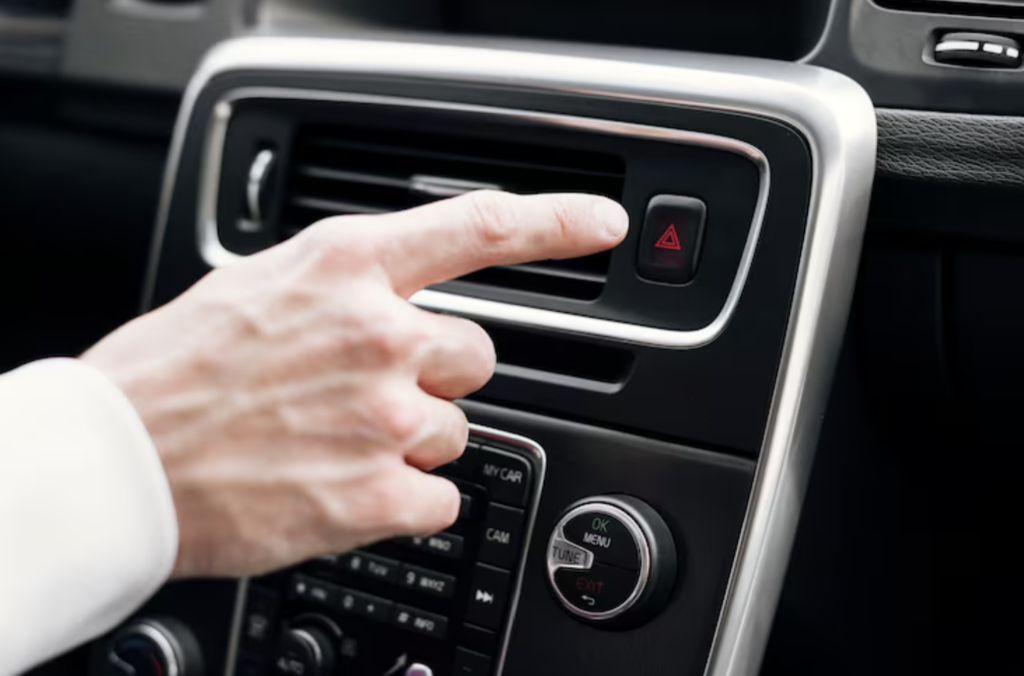
How Your Car Aircon System Works – A Simple Guide for Everyday Drivers January 20, 2026 Most car owners rely on their air-conditioning system daily, yet few truly understand how it works. When cold air flows smoothly from the vents, it’s easy to take the system for granted. But once cooling performance drops or problems appear, confusion often follows. Understanding the basics of how your car aircon system functions can help you recognise early warning signs, appreciate the importance of proper diagnosis, and make informed decisions about repairs. In this guide, MrKool – Trusted Car Aircon Experts in Singapore breaks down the process in a clear and simple way for everyday drivers. The Purpose of a Car Aircon System At its core, a car air-conditioning system is designed to: Remove heat from inside the vehicle Control cabin temperature Maintain comfortable airflow for passengers To achieve this, the system relies on a closed-loop process involving refrigerant gas, pressure changes, and heat exchange. Key Components of a Car Aircon System While the system may look complex, it consists of several main components working together. Compressor The compressor is often referred to as the “heart” of the car aircon system. It compresses the refrigerant gas and circulates it through the system under high pressure. When the compressor does not function correctly, cooling efficiency is immediately affected. Condenser Located at the front of the vehicle, the condenser releases heat absorbed from the cabin into the outside air. As the refrigerant passes through the condenser, it changes from a hot gas into a cooler liquid. Expansion Valve The expansion valve controls the amount of refrigerant entering the evaporator. By regulating pressure, it allows the refrigerant to cool rapidly before absorbing heat from the cabin. Evaporator The evaporator is where the cooling actually happens. As warm cabin air passes over the evaporator, heat is absorbed, and cool air is blown back into the vehicle. Blower Fan & Air Ducts The blower fan pushes cooled air through the vents, distributing it evenly throughout the cabin. Each component must work precisely for the system to perform efficiently. How the Cooling Cycle Works In simple terms, the car aircon system follows this cycle: Refrigerant gas is compressed by the compressor Heat is released through the condenser Pressure is reduced at the expansion valve The evaporator absorbs heat from cabin air Cool air is circulated back into the car Any disruption in this cycle—such as pressure imbalance, internal wear, or component malfunction—can affect cooling performance. Why Car Aircon Problems Are Not Always Obvious One of the most common misconceptions is that car aircon issues are always easy to identify. In reality, many problems develop gradually and may not show clear symptoms at first. For example: Cooling may feel “slightly weaker” over time Airflow may remain strong but temperature fluctuates System performance may vary depending on driving conditions These subtle changes often require professional diagnostic tools to detect accurately. The Importance of Professional Diagnosis Modern car aircon systems operate under precise pressure and temperature specifications. Visual checks alone are not sufficient to identify deeper issues. At MrKool, professional diagnosis involves: Pressure and system performance testing Component inspection across the full aircon loop Identifying internal inefficiencies before failure occurs This diagnostic-first approach allows problems to be resolved correctly, avoiding unnecessary part replacements or recurring issues. Common Misunderstandings About Car Aircon Systems “If It’s Still Cold, Everything Is Fine” Cooling performance may still feel acceptable even when internal wear or inefficiency is present. Early detection helps prevent sudden breakdowns. “Topping Up Gas Fixes All Problems” Refrigerant gas does not simply disappear. Repeated top-ups without diagnosis may mask underlying issues rather than solve them. “All Car Aircon Services Are the Same” The quality of servicing depends heavily on the technician’s training, tools, and diagnostic process—not just the service package. Why Specialist Care Matters Car air-conditioning systems are complex and vehicle-specific. Proper servicing requires specialised knowledge and experience. As a dedicated car aircon specialist, MrKool focuses exclusively on air-conditioning systems, allowing our technicians to: Diagnose accurately Recommend appropriate solutions Deliver reliable, long-term results This specialist approach ensures performance, safety, and system longevity. When Should You Consider a Professional Inspection? Even without obvious issues, an inspection is recommended if: Cooling performance feels inconsistent The system has not been checked for an extended period Your vehicle is used frequently in Singapore’s climate Early inspection helps maintain system efficiency and prevents costly repairs. 📞 Arrange a car aircon system check with MrKool, where experienced technicians assess your system thoroughly and recommend appropriate long-term solutions. WhatsApp Us: +65 8118 1648
Car Aircon Odour / Smell Issues – Causes, Health Risks & Solutions

Car Aircon Odour / Smell Issues – Causes, Health Risks & Solutions January 14, 2026 A strange car aircon smell is more than just an unpleasant experience—it can be a sign of underlying air-conditioning problems that may affect your comfort, health, and even vehicle safety. Many car owners in Singapore encounter aircon odour issues due to our hot and humid climate, but few understand the real causes or the importance of proper treatment. At MrKool – Trusted Car Aircon Experts in Singapore, we believe that informed car owners make better maintenance decisions. In this guide, we explain the common types of car aircon smells, their causes, potential health risks, and the most effective professional solutions. Common Types of Car Aircon Smells Musty or Mouldy Smell A musty smell is one of the most common car aircon complaints. It usually smells like damp clothes or wet towels and becomes noticeable when you first switch on the aircon. This odour often indicates mould or bacterial growth inside the system. Sour or Vinegar Smell A sour or acidic smell can feel sharp and unpleasant. This type of aircon odour often develops due to chemical reactions or bacteria build-up within the evaporator or air ducts. Rotten or Sewage Smell If your car aircon smells like rotten eggs or sewage, it could be caused by blocked drainage pipes or decomposing organic matter trapped in the system. This is a serious issue that should be addressed immediately. Burning Smell A burning smell from the aircon may indicate electrical issues, overheating components, or oil and gas leakage. This is a safety concern and requires urgent professional inspection. Main Causes of Car Aircon Odour Bacteria and Mould Build-Up on the Evaporator The evaporator is constantly exposed to moisture. Over time, bacteria and mould accumulate on its surface, producing foul smells whenever the aircon is running. This is one of the leading reasons car owners seek evaporator cleaning. Moisture Accumulation Inside the Aircon System Singapore’s humid environment makes moisture control critical. Excess moisture trapped inside the aircon system creates the perfect breeding ground for microorganisms. Clogged or Dirty Cabin Filter The cabin filter traps dust, pollutants, and airborne particles. When it becomes clogged or dirty, airflow is restricted and unpleasant smells can circulate back into the cabin. Gas Leakage or Chemical Reactions Refrigerant gas leaks or chemical reactions between old oil and moisture can result in sharp or sour aircon smells. This may also affect cooling performance. Drain Pipe Blockage A blocked drain pipe prevents condensation from draining properly, causing stagnant water and bacterial growth. This often leads to musty or sewage-like odours. Health & Safety Concerns Ignoring car aircon smell issues can have real health implications, especially for families and daily commuters. Respiratory Irritation Breathing in contaminated air can cause throat irritation, coughing, and discomfort, particularly during long drives. Allergies and Asthma Triggers Mould spores and bacteria can worsen allergies and trigger asthma attacks, especially in children and elderly passengers. Bacterial Exposure Inside the Cabin A poorly maintained aircon system circulates bacteria throughout the cabin, affecting overall air quality and hygiene. Professional Solutions by MrKool At MrKool, we provide comprehensive and long-term solutions rather than temporary fixes. Evaporator Cleaning & Disinfection Our professional car aircon cleaning service removes bacteria, mould, and contaminants from the evaporator using specialised equipment and safe disinfectants. Aircon System Chemical Flushing Chemical flushing removes sludge, residue, and harmful build-ups inside the aircon system, restoring clean airflow and cooling efficiency. Cabin Filter Replacement We inspect and replace clogged cabin filters to improve airflow and prevent unpleasant aircon odour from circulating inside your car. Drainage System Inspection Our technicians check and clear drain pipe blockages to ensure proper moisture removal and prevent future odour issues. Full Aircon Servicing & Performance Testing A complete car aircon repair and servicing process ensures all components are working efficiently, with thorough performance testing for peace of mind. Preventive Maintenance Tips Follow Regular Servicing Intervals Regular aircon servicing in Singapore helps prevent bacteria build-up and costly repairs. Don’t wait until smells appear. Practice Proper Aircon Usage Habits Before switching off your engine, turn off the aircon but leave the fan running for a minute to reduce moisture on the evaporator. Replace Cabin Filters on Schedule Cabin filters should be replaced every 10,000–15,000 km, or sooner if you drive frequently in dusty environments. Book Your Car Aircon Inspection with MrKool If you’re experiencing persistent car aircon smell or suspect deeper aircon issues, don’t rely on DIY sprays or temporary solutions. Professional diagnosis ensures the problem is fixed at its root. MrKool – Car Aircon Expert offers fast, affordable, and professional solutions across our islandwide outlets. Let our certified technicians restore clean, fresh air to your vehicle and ensure long-term performance. 📞 Book your car aircon inspection with MrKool today and enjoy a healthier, more comfortable driving experience. Our experienced technicians provide thorough diagnostics and long-term solutions to address car air-conditioning odour issues at their source. WhatsApp Us: +65 8118 1648
Start the New Year Cool: Why Your Car Aircon Needs a Check After the Holidays
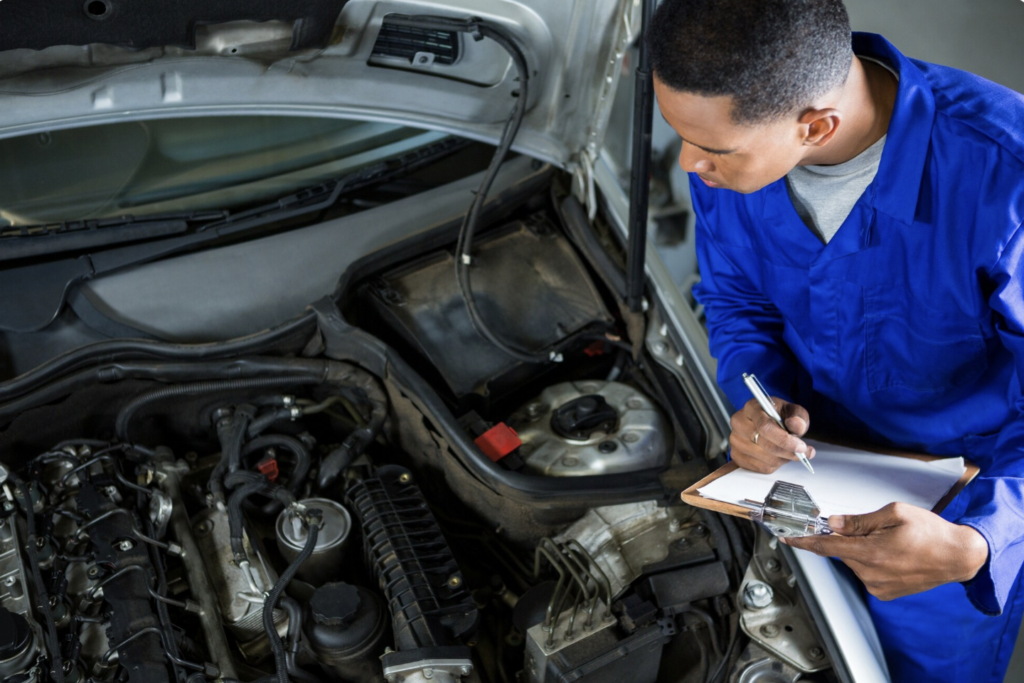
Start the New Year Cool: Why Your Car Aircon Needs a Check After the Holidays December 31, 2025 The New Year is a time for fresh starts, new resolutions, and getting things back on track—including your car. After the year-end holidays, festive road trips, and long hours spent in traffic, your vehicle’s air conditioning system may be working harder than you realise. In Singapore’s hot and humid climate, a well-functioning car aircon is not a luxury—it’s a necessity. As you prepare for a new year of commuting, errands, and family outings, now is the perfect time to ensure your car aircon system is in top condition. A post-holiday check can help you avoid discomfort, prevent costly repairs, and keep every drive cool and comfortable. How the Holiday Season Affects Your Car Aircon During the festive period, many drivers spend more time on the road. Longer drives, heavier traffic, and frequent stop-and-go conditions place additional strain on your car’s aircon system. Components such as the compressor, condenser, and cooling fan work overtime to maintain cold airflow, especially when the car is stationary. Over time, this added workload can lead to: Reduced cooling performance Weak or uneven airflow Strange noises from the aircon system Unpleasant smells caused by bacteria buildup These issues often go unnoticed until the cooling becomes noticeably poor—usually on the hottest day. Common Signs Your Car Aircon Needs Attention As part of your New Year car maintenance routine, watch out for these common aircon warning signs: Aircon not cooling properlyIf your car aircon no longer feels as cold as it used to, low refrigerant levels or a failing compressor may be the cause. Inconsistent coolingCold air that comes and goes can indicate internal pressure issues or a clogged aircon filter. No cooling when stationaryThis often points to condenser or cooling fan problems, which are especially common in Singapore traffic. Warm or musty smellsMoisture buildup inside the system can lead to mould and bacteria growth, affecting both comfort and air quality. Noisy operationUnusual sounds may signal worn-out components that require professional inspection. Ignoring these signs can lead to more serious damage and higher repair costs later on. Why New Year Car Aircon Servicing Makes Sense Starting the year with a professional car aircon service offers several long-term benefits: Improved cooling efficiency for daily comfort Better fuel economy by reducing system strain Longer lifespan of aircon components Healthier cabin air quality Reduced risk of sudden breakdowns Routine servicing ensures small issues are detected early, preventing expensive compressor or system replacements down the road. What a Professional Car Aircon Check Includes At MrKool Car Aircon Specialist, a comprehensive aircon inspection is designed to identify both visible and hidden issues. Depending on your car’s condition, servicing may include: Aircon system diagnostics Refrigerant level checks Aircon filter replacement Compressor performance inspection Leak detection and preventive maintenance Our team focuses exclusively on automotive air conditioning systems, ensuring precise diagnosis and reliable solutions. Start the Year Right with MrKool With service locations across Singapore—including Kranji (Carros Centre), Bukit Batok, Toa Payoh, Bukit Merah, and more—MrKool makes it convenient to get expert car aircon servicing wherever you are. The New Year is about driving forward with confidence and comfort. Don’t let a weak or unreliable aircon ruin your daily commute. Schedule a car aircon check today and enjoy a cooler, smoother drive all year long. 👉 Visit our Services page or Contact Us to book your New Year car aircon servicing.